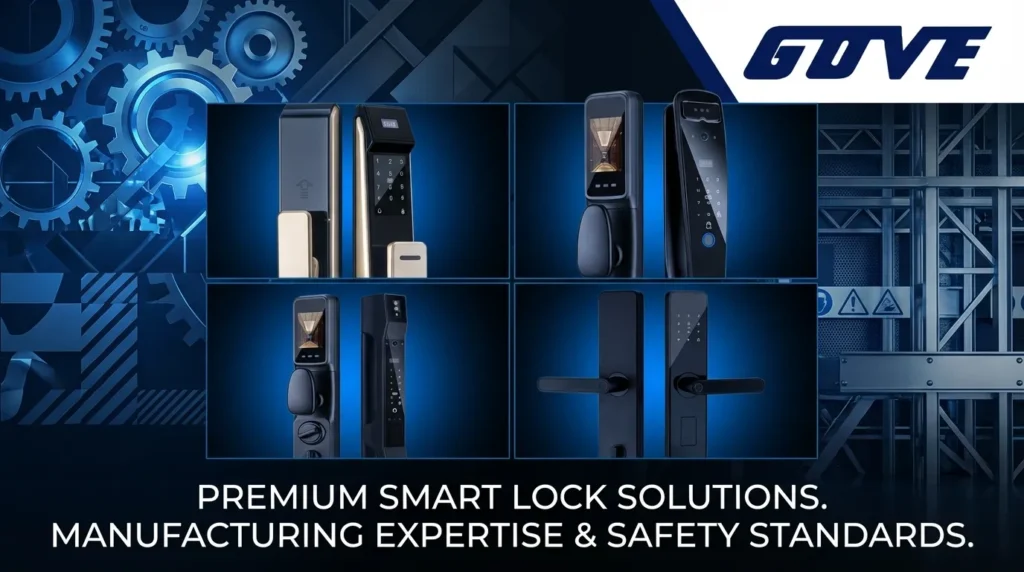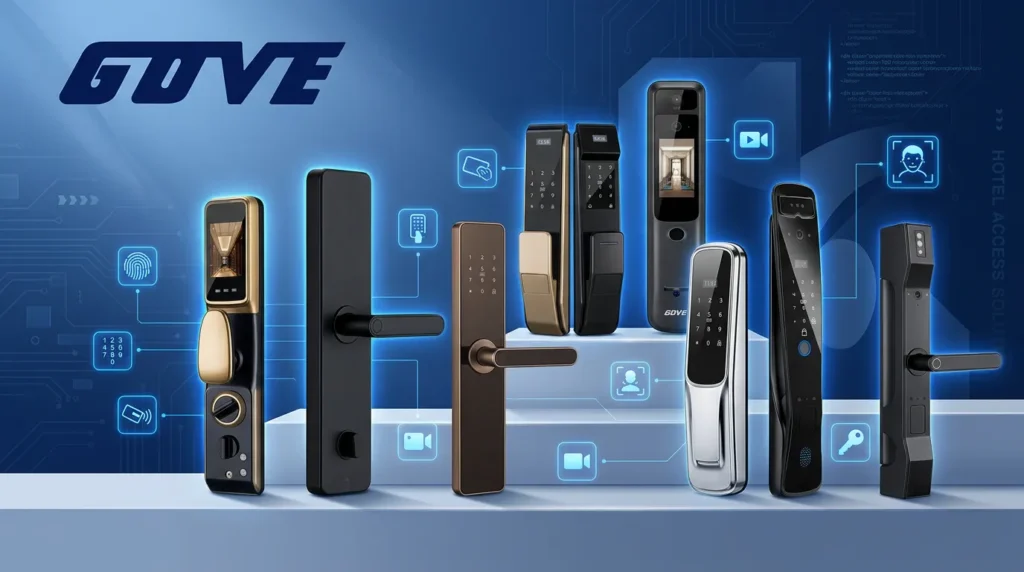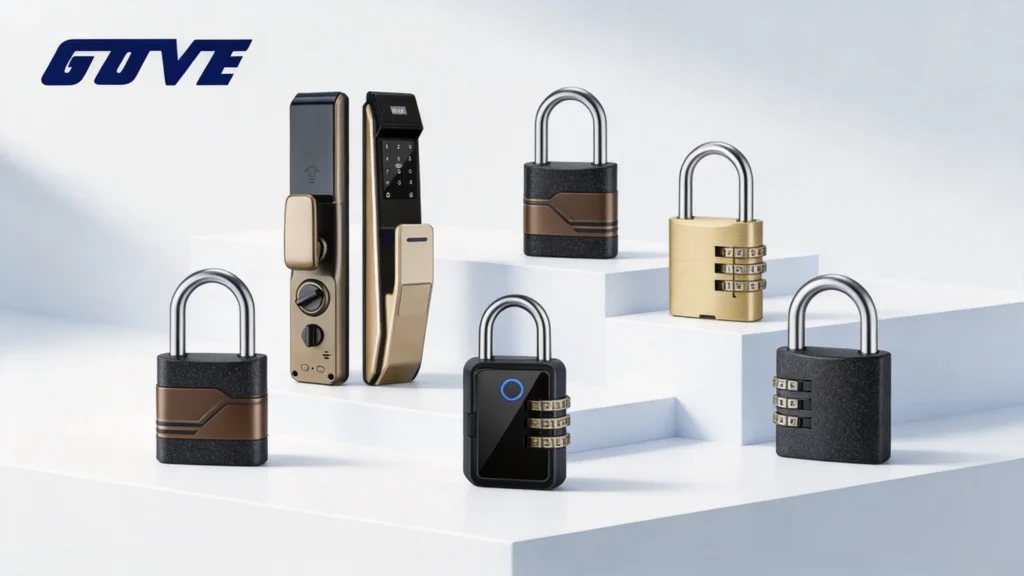
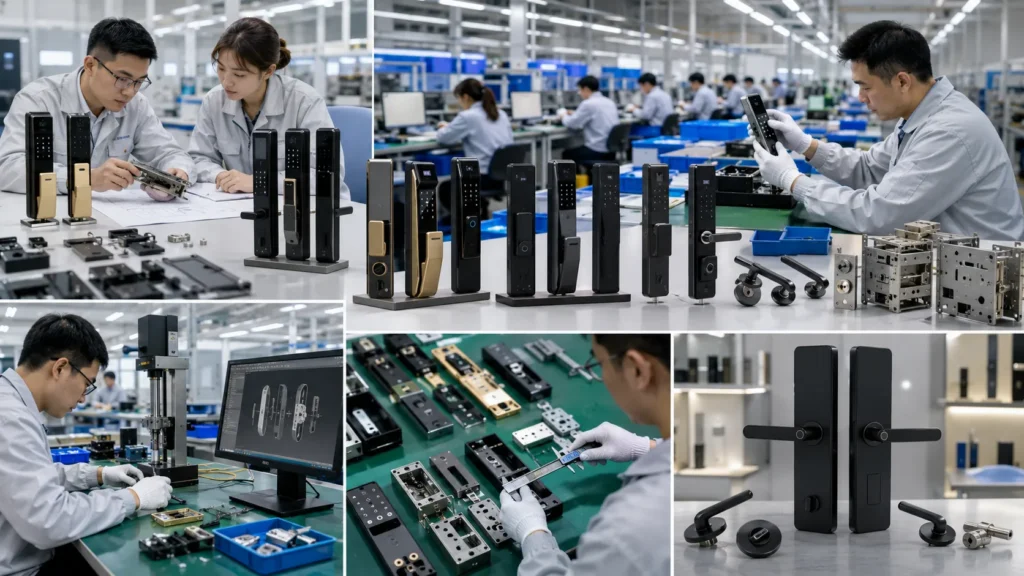
Managing physical security across residential units, rental properties, or commercial buildings requires a system that balances hardware strength with dependable mobile software. Selecting an app controlled smart lock manufacturer ensures your locking hardware integrates seamlessly into your door prep while providing low-latency remote access management.
Retrofit vs. Full Replacement: Which Smart Lock Type Do You Need?
Selecting the correct mechanical format is the first major hardware decision in any smart lock deployment. Choosing between a retrofit conversion kit and a full replacement deadbolt or mortise lock directly impacts your installation time, labor overhead, and overall architectural finish.
Where Retrofit Conversions Make Sense
Retrofit smart locks mount directly onto existing interior tailpieces without removing the exterior cylinder. This approach keeps existing physical keys operational and preserves original exterior door handles, making it ideal for multi-family apartment complexes or rented spaces.
Installation usually takes under ten minutes per door and requires no drilling or frame modifications. However, retrofit locks rely heavily on the precise mechanical alignment of your existing deadbolt and can stall if the bolt binds against an unadjusted strike plate.
When Complete Hardware Replacement Is Mandatory
Full replacement smart locks replace the entire interior turn-piece, exterior keypad or cylinder, and internal mortise or deadbolt mechanism. Replacing the full assembly provides higher structural integrity, unified aesthetic design, and tamper-resistant casing options engineered for high-traffic environments.
For new commercial builds, property developments, or upgrades needing built-in keypads, biometrics, or video surveillance, an integrated deadbolt smart door lock is superior. Full replacement hardware also allows manufacturers to embed hardened steel anti-saw bolts and reinforced strike plates directly into the package.
Quick Hardware Selection Criteria:
- Choose Retrofit If: You are managing leased apartments, need rapid deployment without altering keyways, or must maintain strict historical exterior aesthetics.
- Choose Full Replacement If: You require multi-factor access (keypad, fingerprint, RFID card), higher mechanical security ratings (ANSI Grade 1 or Grade 2), or a uniform hardware package across new construction.
- Mechanical Risk Check: Always check manual door alignment before retrofitting; motor gearboxes strip quickly if users must manually pull doors tight to latch them.
Top App-Controlled Smart Lock Manufacturers Compared
Evaluating smart lock suppliers requires looking past marketing claims to compare mechanical construction, connectivity protocols, and software ecosystem controls. Top global manufacturers specialize in distinct access models ranging from invisible interior designs to heavy-duty commercial hardware.
Working directly with an established smart lock manufacturer in China or international OEM partner provides extensive customization for lock housing finishes, firmware protocols, and companion app white-labeling.
| Manufacturer / Brand | Hardware Architecture | Primary Connectivity | Primary Application | Fleet / Bulk Management |
|---|---|---|---|---|
| Gove | Full Replacement Deadbolt / Mortise | Wi-Fi, Bluetooth, Matter, Z-Wave | Commercial, Short-Term Rental, Residential | Native Cloud Dashboard & API Access |
| Yale | Full Replacement & Retrofit options | Wi-Fi, Bluetooth, Z-Wave | Residential Homes & Light Commercial | Integrates with major PMS & Alarm hubs |
| August | Retrofit Conversion Kit | Wi-Fi Bridge, Bluetooth | Apartment Rentals & Residential Retrofit | Limited native dashboard; platform dependent |
| Level | Invisible Mechanical Replacement | Bluetooth, Thread / Apple HomeKit | Luxury Residential & Aesthetic Upgrades | Focused on single-family home integration |
| Schlage | Heavy-Duty Full Replacement | Wi-Fi, Z-Wave, Apple HomeKey | Single-Family & Commercial Facilities | Commercial access management software compatible |
| Lockly | Full Replacement Keypad / Biometric | Wi-Fi Bridge, Bluetooth | Property Rentals & Office Access Control | Lockly OS fleet control platform |
What to Verify Beyond the Spec Sheet
A lower hardware quote often conceals recurring platform licensing fees, limited cloud API access, or poor battery life under cold operational conditions. When procuring locks in volume, request physical samples to inspect internal gear materials, exterior weather sealing gaskets, and PCB soldering quality.
For specialized installations requiring advanced security features, consider integrating a 3d face recognition smart lock manufacturer into your sourcing mix to deliver hands-free, high-security authentication without physical credentials.
Critical App Features and Connectivity Standards
A smart lock’s long-term reliability depends heavily on its wireless communication architecture and mobile app software design. Understanding signal protocols helps prevent frequent offline drops, unexpected battery drain, and access synchronization delays.
Wireless Connectivity Protocols Explained
Smart locks utilize four main wireless standards, each presenting clear trade-offs between battery endurance, network range, and real-time remote control capability:
- Wi-Fi (Direct 2.4 GHz): Connects directly to local access points without external hubs. Offers real-time remote unlocking and instant log updates, but consumes higher battery power, requiring frequent cell replacements or rechargeable battery packs.
- Bluetooth Low Energy (BLE): Provides fast local phone pairing and exceptional battery longevity. Remote connectivity requires an external Wi-Fi bridge gateway positioned near the door.
- Matter and Thread: The emerging universal standard for smart home ecosystem interoperability. Thread provides low-power mesh networking, local network processing, and rapid response times across Apple, Google, and Amazon platforms.
- Z-Wave / Zigbee: Industrial-grade mesh protocols requiring a dedicated automation hub. Ideal for large multi-unit developments requiring centralized, offline-capable mesh networks.
Must-Have Software and Mobile Management Features
Evaluating the companion mobile app or cloud enterprise portal is just as vital as reviewing physical casing specs. Ensure your selected software platform provides these core capabilities:
- Granular Key Permissioning: Ability to issue permanent, recurring (e.g., weekly cleaning service), or temporary single-use access codes with automated expiration dates.
- Real-Time Activity Audit Trail: Timestamped logging detailing exactly which user or code unlocked the door, failed access attempts, and mechanical thumb-turn usage.
- Remote Firmware Updates (OTA): Over-the-air firmware patching capabilities to resolve software vulnerabilities and deploy new cryptographic features without physical maintenance visits.
- Emergency Offline Pin Generation: Algorithmic time-based OTP generation that allows guests to unlock keypads even when the lock is disconnected from Wi-Fi.
Evaluating which smart lock companies focus on interoperability with smart home systems ensures your chosen app setup connects directly with PMS software, alarm hubs, and HVAC management tools without custom coding.
Choosing a Brand by Property Type
Deploying smart access hardware successfully requires matching hardware capabilities to your exact property operational model. Security priorities, user turnaround rates, and access management complexity vary drastically between single-family homes, vacation rentals, and commercial buildings.
Residential Homes and Apartments
Single-family residential buyers prioritize clean visual design, simple family credential sharing, and frictionless integration with existing voice assistants and home automation platforms. Systems supporting Apple HomeKey, Amazon Alexa, or Google Home allow homeowners to build unified routines like locking doors upon triggering bedtime modes.
For rental apartments, property owners need hardware that supports rapid tenant credential revocation during turnover without rekeying physical cylinders. Selecting retrofit hardware or smart cylinders with master key overrides maintains landlord emergency access while granting tenants modern mobile access freedom.
Short-Term Rentals and Airbnbs
Vacation rental operators depend on automated access code distribution tied directly to booking calendars like Airbnb or VRBO. Locks deployed in short-term rentals must feature physical keypads so guests can enter without downloading third-party mobile applications.
In high-turnover rental environments, sourcing a fully automatic video smart door lock wholesale allows property hosts to remotely monitor entryways, verify check-ins, and communicate with guests directly through integrated video feeds.
Light Commercial and Office Spaces
Commercial installations demand rugged hardware rated for tens of thousands of opening cycles. Office facilities require ANSI/BHMA Grade 1 heavy-duty mortise locks equipped with multi-factor authentication options, including fingerprint scanners, encrypted RFID cards, and smartphone BLE unlock capabilities.
Commercial property managers need cloud access management software capable of segmenting access roles across department teams, establishing auto-locking business hour schedules, and immediately revoking access privileges for departing employees.
Reviewing trusted suppliers via top smart lock manufacturers for quality and security helps procurement teams identify commercial-grade suppliers offering rigorous cycle testing and anti-vandal hardware options.
Implementation Checks Before Finalizing Your Selection
Before issuing a bulk purchase order or specifying hardware for a building retrofit, perform thorough physical and technical site verification. Physical door misalignments and unexpected network dead zones are the leading causes of smart lock failure in the field.
Physical Door Prep and Mechanical Audits
Verify exact door measurements before confirming lock model selections with your manufacturer. A standard deadbolt requires specific backset dimensions, door edge hole diameters, and cross-bore spacing that must match the lock chassis exactly.
- Backset Dimension: Confirm whether your doors require 2-3/8 inch (60mm) or 2-3/4 inch (70mm) backsets, or select adjustable latch bolts.
- Door Thickness: Standard interior/exterior doors measure 1-3/8 to 1-3/4 inches (35mm-45mm); thicker commercial doors require extended mounting screw kits and tailpieces.
- Deadbolt Latch Alignment: Ensure deadbolt latches extend smoothly into strike plates without friction. Latch binding rapidly drains motor batteries and causes app jamming errors.
- Door Handing & Frame Prep: Check left-hand vs. right-hand door swings and verify weatherstripping does not exert excessive outward push against the latch bolt.
Network Infrastructure and Power Verification
Assess Wi-Fi signal strength at every door location using a mobile RSSI analyzer tool prior to lock mounting. A signal weaker than -70 dBm causes frequent offline dropping and rapid battery depletion as the Wi-Fi module continuously retries connections.
Establish clear battery replacement schedules based on local climate conditions. Cold exterior doors degrade standard alkaline battery voltage quickly; lithium AA batteries or high-capacity lithium-ion rechargeable packs are essential for outdoor cold-weather operation.
Supplier Evaluation and Bulk Sourcing Checklist
Protect your investment by verifying critical supplier capability, warranty support, and technical documentation before signing supply contracts:
- Sample Unit Validation: Order and torture-test sample units for physical latch strength, motor responsiveness, app pairing latency, and offline code generation.
- Hardware Certifications: Confirm compliance with FCC/CE electromagnetic standards, BHMA mechanical durability grades, and UL 10C 3-hour fire door ratings where required.
- API & SDK Documentation: Ensure the manufacturer provides well-documented REST APIs or Mobile SDKs if you plan to integrate locks into custom management software.
- Warranty & Spare Parts: Confirm minimum 2-year electronics and 5-year mechanical warranty terms, alongside guaranteed availability of replacement latch bolts and keypads.
Partnering with an experienced manufacturer allows you to tailor lock hardware and software configurations precisely to your project’s security requirements. Request sample units and complete technical door schedules early to streamline procurement and safeguard your installation timeline.
Frequently Asked Questions
What happens to an app-controlled lock if the battery dies?
App-controlled smart locks feature low-battery warnings inside the mobile app and audible hardware chimes weeks before power depletion.
If batteries fail completely, users can unlock doors using a physical backup key, jumpstart the lock via an exterior emergency 9V battery terminal, or use a USB-C power bank port.
Do smart locks work with standard multi-point locking doors?
Standard smart deadbolts are designed for single-point cylinder doors and cannot actuate multi-point locking rods directly. Multi-point doors require specialized smart handle sets or motorized Euro-profile cylinder locks engineered specifically to pull top and bottom locking bolts into the frame automatically.