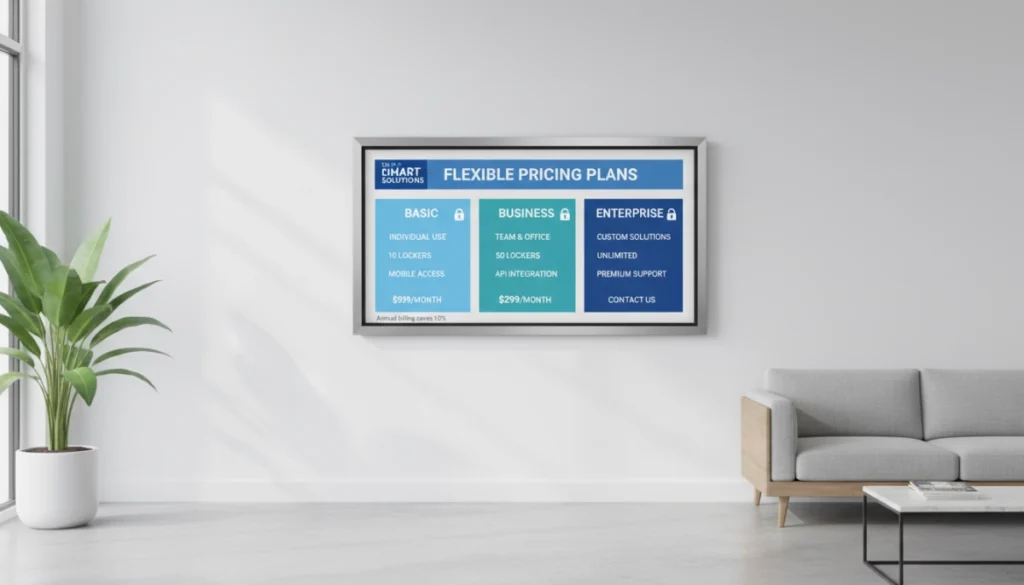
Are you feeling overwhelmed by the wide range of smart locker solution pricing?
Choosing the wrong system can lead to massive hidden fees, poor ROI, and hardware that fails when your users need it most. Whether you are managing a corporate office, a university, or a retail hub, understanding the total cost of ownership is the only way to justify the investment.
In this guide, I’m pulling back the curtain on the industry. You’ll learn exactly what influences the price—from SaaS subscription fees and RFID locker locks to the often-overlooked locker installation costs.
I’ve analyzed the data to help you distinguish between budget-friendly options and enterprise-grade electronic locker systems. If you\’re looking for a transparent breakdown that moves beyond the \”sticker price\” to real-world value, this guide is for you.
Let’s dive right in.
The Core Components of Smart Locker Solution Pricing
When evaluating smart locker solution pricing, the initial quotes can sometimes feel overwhelming. Facility managers and business owners often worry about overpaying or getting hit with hidden fees. As a dedicated smart lock manufacturer and supplier, we believe in complete transparency. To understand your total investment, you must break down the system into its three foundational pillars: the physical build, the locking mechanism, and the digital platform.
Hardware Costs and Material Quality
The physical shell of your electronic locker systems dictates a significant portion of the upfront locker cost. High-traffic environments demand robust materials that resist daily wear and tear.
- Material Selection: Cold-rolled steel offers maximum security and longevity, while high-density laminates provide a premium aesthetic for corporate offices.
- Custom Configurations: Adding specialized features, such as integrated power supplies for smart charging lockers, will increase the baseline manufacturing cost but drastically improve user convenience.
- Structural Durability: Investing in heavy-duty hinges, reinforced doors, and scratch-resistant powder coatings prevents costly replacements down the line.
The \”Brain\”: Smart Lock Technology
The locking mechanism is what transforms a standard metal box into a secure, intelligent asset. We engineer our locks to be the reliable core of your digital access lockers.
- Access Methods: Pricing scales based on the technology deployed. Basic keypad entries are highly cost-effective, while advanced RFID locker locks and biometric access control systems require a higher initial investment.
- Motor and Mechanism: Commercial-grade motorized deadbolts ensure hundreds of thousands of fail-safe cycles, vastly outperforming cheaper magnetic latches.
- Connectivity: Locks equipped with Wi-Fi, Bluetooth, or hardwired ethernet capabilities determine how fast and securely the locker communicates with the central network.
Software and Management Platforms
Premium hardware requires an equally powerful digital backbone. The software interface is what allows administrators to monitor usage, track assets, and assign spaces dynamically.
- Cloud-Based Locker Management: Modern setups rely on secure cloud hosting to provide real-time data, remote unlocking capabilities, and detailed usage analytics.
- User Interface: Intuitive mobile apps, QR code scanners, or central kiosk terminals streamline the user experience for employees, students, or customers.
- Seamless Integration: Quality automated locker solutions are designed to sync perfectly with your existing HR databases or building management systems, creating a frictionless administrative workflow.
Key Factors Influencing Smart Locker Solution Pricing
The total investment for a smart locker system depends on more than just the number of doors. Several technical and environmental factors dictate the final quote. Understanding these variables helps you avoid budget creep and ensures the hardware matches your specific use case.
Scale of Deployment and Bulk Pricing
The volume of your order is the biggest lever for cost reduction. While a single prototype or small office setup carries a higher per-unit price, large-scale automated locker solutions benefit from significant economies of scale. Manufacturing costs for electronic locker systems drop when components like controllers and wiring harnesses are produced in bulk.
System Integration and Software Requirements
A standalone locker is cheaper than one integrated into your existing ecosystem. If you require the lockers to sync with your current HR database, building management software, or digital access control systems, expect higher upfront integration fees. Custom API development ensures seamless user management but adds to the initial smart locker solution pricing.
Indoor vs. Outdoor Specifications
Environment dictates material choice and durability. Indoor lockers use standard powder-coated steel, while outdoor units require specialized treatment. For units exposed to the elements, we utilize a weatherproof smart lock for outdoor gate technology to prevent corrosion and electronic failure. These ruggedized specifications increase the price but are essential for long-term reliability in harsh climates.
Power and Connectivity Needs
How your lockers communicate and stay powered affects both hardware and installation costs:
| Factor | Standard Option | Premium/High-Cost Option |
|---|---|---|
| Connectivity | Local Wi-Fi | Hardwired Ethernet (PoE) or 4G/5G Cellular |
| Power Supply | Battery Operated | Hardwired AC Power with Battery Backup |
| Access Method | PIN Code / RFID | Biometric or Mobile App Integration |
Choosing hardwired connectivity often results in higher locker installation costs due to cabling requirements, but it significantly lowers smart locker maintenance costs by eliminating battery replacements and connectivity drops.
Estimated Smart Locker Solution Pricing Tiers and Market Benchmarks
Navigating the market for smart locker solution pricing requires understanding that costs vary significantly based on technology and scale. We categorize these investments into three primary tiers to help you align your budget with your specific operational needs.
Entry-Level Solutions for Small Offices
For businesses looking for basic digital access lockers, entry-level systems typically range from $150 to $400 per door. These solutions usually feature standalone RFID locker locks or simple PIN code access. They are ideal for small teams needing secure storage without complex backend requirements. While affordable, these systems often lack real-time monitoring but provide a solid foundation for transitioning away from traditional keys.
Mid-Range Enterprise Systems
Mid-range systems are the standard for modern corporate environments, typically costing between $400 and $800 per door. This tier introduces electronic locker systems integrated with cloud-based locker management software.
- Key Features: Remote management, usage analytics, and integration with existing employee ID badges.
- Benefits: High smart locker ROI through automated turnover and reduced administrative oversight.
- Hardware: Professional-grade locks that support multiple credential types.
To better understand the hardware requirements for these setups, you can refer to our comprehensive smart locker lock guide which breaks down the technical differences between various locking mechanisms.
High-End and Custom Integrated Systems
For specialized applications like asset tracking lockers or parcel locker pricing models, costs often exceed $1,000 per door. These high-end configurations are built for heavy-duty use and specific functional requirements.
| Feature | High-End Specification |
|---|---|
| Access Control | Biometric access control (Fingerprint/Face ID) |
| Functionality | Smart charging lockers with internal power outlets |
| Integration | Full API connectivity with building management systems |
| Durability | Heavy-gauge steel or outdoor-rated materials |
These automated locker solutions often involve higher locker installation costs due to the complexity of wiring and software calibration. When planning a large-scale rollout, we recommend reviewing the steps to properly install a smart lock system to ensure long-term reliability and minimize maintenance expenses. These custom configurations are designed for maximum security and seamless user experience in high-traffic environments.
Beyond the Initial Quote: Hidden Costs in Smart Locker Solution Pricing
When evaluating smart locker solution pricing, the number on the sticker is rarely the final number. To avoid budget surprises, you must look at the \”landed\” and \”operational\” costs. As a manufacturer, we emphasize that high-quality hardware is only part of the equation; the logistics and setup determine your actual day-one investment.
Logistics and Hardware Setup
Shipping heavy steel units is a significant expense. Unlike small electronics, automated locker solutions require specialized freight handling.
- Shipping & Rigging: Moving heavy frames into specific rooms often requires more than a standard delivery truck.
- Professional Installation: Proper locker installation costs include bolting units to the floor, leveling, and wiring.
- System Calibration: Ensuring every RFID locker lock communicates perfectly with the central hub requires expert onsite or remote configuration.
Ongoing Operational Expenses
A smart system is a living asset. To keep it secure, you need to budget for the backend. Just as hotel door lock manufacturers provide ongoing security updates, smart locker systems require consistent software attention.
| Cost Factor | Description | Frequency |
|---|---|---|
| SaaS Subscription Fees | Covers cloud hosting, remote management, and real-time tracking. | Monthly/Annual |
| Technical Support | Access to expert troubleshooting and hardware replacement warranties. | Annual |
| Maintenance Costs | Physical inspections of locks, hinges, and power supplies. | Bi-Annual |
| User Training | Onboarding your team to manage the administrative dashboard. | One-time/Per Hire |
Change Management and Integration
The \”hidden\” cost often ignored is the human element. Transitioning from manual keys to digital access control systems requires a shift in workflow. You may need to invest in internal training sessions to ensure your staff understands the audit trails and asset tracking features. Furthermore, if you need the lockers to talk to your existing HR or security database, custom API integration may add to your initial smart locker maintenance costs and setup fees. We focus on making these integrations as seamless as possible to keep your long-term overhead low.
Calculating ROI: Why Smart Locker Solution Pricing Pays for Itself
When evaluating smart locker solution pricing, it is essential to look beyond the initial invoice and focus on the long-term financial recovery. A smart system transforms static storage into a data-driven asset that actively saves money through operational efficiency and risk mitigation.
- Elimination of Lost Assets: Replacing lost laptops, tablets, or specialized tools is a major drain on company resources. By integrating high-security smart locker locks, we provide a system where every item is tracked in real-time, creating a culture of accountability that virtually eliminates replacement costs.
- Massive Labor Savings: Manual key management and physical logbook entries are incredibly inefficient. Our automated locker solutions handle user permissions and access logs without human intervention, freeing up facility managers and security staff for more productive tasks.
- Optimized Real Estate: Through hot-desking and dynamic locker allocation, you can reduce the total number of physical units needed. This space optimization allows you to serve a larger workforce with fewer lockers, maximizing your floor plan and reducing the cost per square foot.
- Digital Audit Trails: Security breaches and internal theft are costly liabilities. With commercial-grade digital access, you get a permanent record of who accessed which locker and for how long, which simplifies compliance and significantly lowers insurance risks.
The smart locker ROI is realized quickly through these tangible savings, making the total investment a strategic financial move rather than just a facility expense. By choosing automated systems, you are investing in a more secure, streamlined, and cost-effective future for your organization.
Why Partner with a Manufacturer Like Gove for Your Smart Locker Solution?
Choosing the right partner is the most effective way to control your smart locker solution pricing while ensuring long-term reliability. By working directly with a manufacturer like us, you bypass the middleman markups and gain access to specialized engineering expertise that third-party resellers simply cannot offer.
Direct-from-Manufacturer Pricing Benefits
Buying direct significantly lowers your total cost of ownership. We control the entire production line, from raw locker hardware manufacturing to the final assembly of electronic components. This allows us to offer competitive rates that distributors can\’t match.
| Feature | Manufacturer Direct (Gove) | Third-Party Reseller |
|---|---|---|
| Unit Cost | Factory-direct rates | Marked up 20-40% |
| Customization | Full hardware/software control | Limited to stock options |
| Technical Support | Direct access to engineers | General customer service |
| Lead Times | Faster production cycles | Dependent on supply chains |
Expertise in High-Durability Smart Locks
The \”smart\” in your locker is only as good as the physical lock protecting the assets. We specialize in high-durability hardware designed for high-traffic environments. For instance, our Gove G-17C smart door lock is engineered for precision and longevity, ensuring that your investment doesn\’t fail after a few months of heavy use. We focus on:
- Heavy-duty materials that resist tampering and wear.
- Advanced electronics that integrate seamlessly with various access protocols.
- Rigorous testing to ensure every lock meets global security standards.
Customization for Specific Functional Needs
Every facility has unique requirements. Whether you need smart charging lockers for internal IT assets or automated parcel systems for residential use, we provide custom locker configurations.
- Modular Designs: Scale your system up or down based on floor space.
- Access Control: Choose between RFID, biometrics, or mobile app integration.
- Branding: Match the hardware aesthetics to your corporate identity.
- Specialized Functions: Integrate power strips for device charging or internal sensors for asset tracking.
By partnering with us, you aren\’t just buying a product; you are investing in a tailored solution designed to maximize efficiency and minimize the long-term smart locker maintenance costs.
Frequently Asked Questions About Smart Locker Costs
Navigating the specifics of smart locker solution pricing requires understanding both the upfront hardware costs and the long-term operational expenses. Here are the most common questions we address for our clients.
What is the average cost per locker door?
For a professional-grade electronic locker system, prices generally range from $300 to $1,200 per door. The wide range depends on the complexity of the hardware. A basic RFID locker for employee day storage sits at the lower end, while smart charging lockers with heavy-duty steel and integrated touchscreens represent the premium tier.
Are there recurring monthly SaaS fees?
Yes, most automated systems operate on a subscription model. SaaS subscription fees typically range from $2 to $10 per door, per month. This fee covers:
- Cloud-based management dashboard access.
- Real-time audit trails and usage analytics.
- Automatic firmware and security updates.
- Remote troubleshooting and technical support.
How much should I budget for installation?
You should allocate approximately 10% to 20% of your total hardware cost for locker installation costs. This budget covers the physical assembly, securing the units to walls or floors, wiring for power, and integrating the software with your local network or building management system.
Can I retrofit existing lockers with smart technology?
Absolutely. Retrofitting is a cost-effective way to upgrade your facility without replacing expensive cabinetry. We provide specialized digital access control systems designed to replace traditional key cams or hasps. For businesses with unique aesthetics, such as those using a smart lock for glass door on display or storage units, we can integrate high-security electronic components directly into your existing setup to minimize waste and reduce your total investment.
| Cost Component | Estimated Range | Frequency |
|---|---|---|
| Hardware (Per Door) | $300 – $1,200 | One-time |
| Software/SaaS | $2 – $10 per door | Monthly/Annual |
| Installation | 10% – 20% of hardware | One-time |
| Maintenance | 1% – 3% of hardware | Annual |