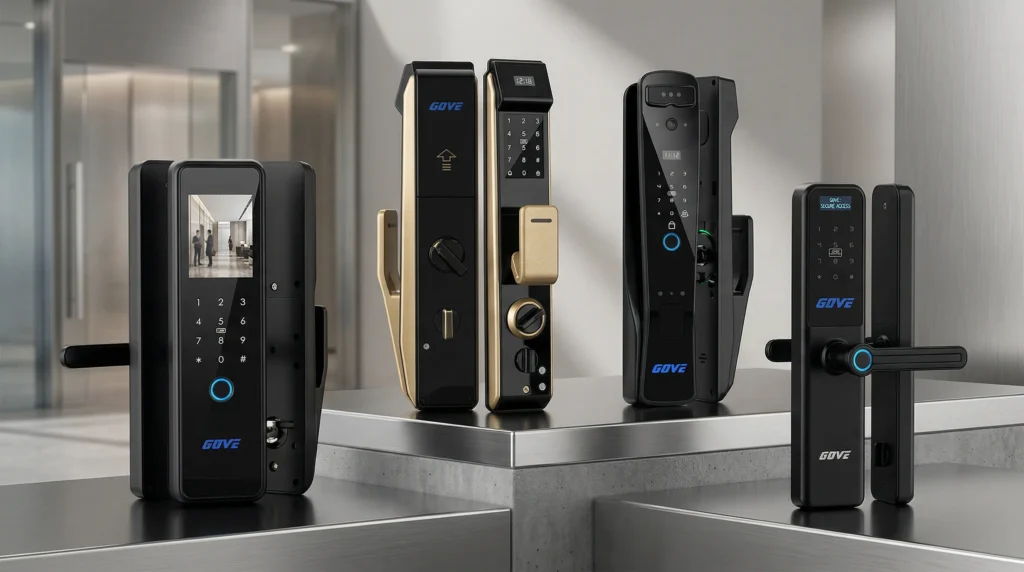
Are you still relying on easily lost physical keys to secure your business?
Managing employee access, tracking entry logs, and dealing with expensive locksmith call-outs shouldn\’t be a daily headache.
As an expert in high-security access solutions, I know firsthand that upgrading to a commercial door smart lock is one of the smartest investments you can make for your facility\’s security and operational efficiency.
But here is the truth: you can\’t just slap a residential smart lock on a high-traffic office door and hope for the best. You need heavy-duty hardware, seamless remote management, and ironclad audit trails.
In this complete guide, you\’re going to learn exactly how to choose the perfect commercial door smart lock for your specific needs, step by step.
From understanding ANSI durability grades to selecting the right access methods for glass, metal, or fire doors—it\’s all here.
Let\’s dive right in.
Commercial vs. Residential Smart Locks: Why the Distinction Matters
Choosing a commercial door smart lock isn\’t just about adding a keypad; it’s about hardware capable of enduring hundreds of cycles every single day. While residential locks are designed for a few entries per day, a heavy-duty smart lock for business environments must withstand constant traffic, physical abuse, and strict legal requirements.
Durability Standards: ANSI/BHMA Grade 1 vs. Grade 2/3
In the commercial world, durability is measured by ANSI/BHMA grades. For high-traffic areas like main entrances or staff rooms, ANSI Grade 1 smart locks are the industry requirement. They are tested to last significantly longer than residential alternatives.
| Feature | ANSI Grade 1 (Commercial) | ANSI Grade 2/3 (Residential) |
|---|---|---|
| Cycle Life | 1,000,000+ cycles | 200,000 – 400,000 cycles |
| Impact Resistance | Extreme / High Security | Moderate to Low |
| Best Use Case | Schools, Hospitals, Offices | Single-family homes, Apartments |
| Bolt Strength | Heavy-duty reinforced steel | Standard zinc or brass |
Lock Mechanism: Mortise vs. Cylindrical Lever Locks
The internal mechanism determines both the security level and the ease of installation. We offer two primary configurations for our smart commercial door locks:
- Mortise Smart Locks: These require a pocket (mortise) cut into the door. They are the gold standard for security, offering multiple locking points and integrated deadbolts within a heavy-duty chassis.
- Cylindrical Lever Locks: These are easier to retrofit into standard bored holes. While simpler to install, our commercial-grade cylindrical locks still meet Grade 1 standards for high-frequency use.
Fire & Safety Compliance and Panic Bar Compatibility
A smart lock commercial door setup must comply with local building codes. Safety is non-negotiable in a business setting:
- Fire Ratings: Our commercial locks are UL-listed, ensuring they maintain the fire integrity of the door for up to 3 hours.
- Emergency Egress: Commercial systems must allow \”single motion\” exit. We ensure our hardware supports emergency exit panic bar compatibility, allowing occupants to exit instantly during an emergency without fumbling with codes or keys.
- ADA Compliance: All levers are designed for easy grip and operation, meeting the requirements of the Americans with Disabilities Act.
Key Features of a High-Performance Commercial Door Smart Lock
When selecting a commercial door smart lock, the focus shifts from simple convenience to robust commercial access control. We build our locks to handle hundreds of users while providing the data oversight necessary for modern business operations.
Versatile Access Methods for Every Employee
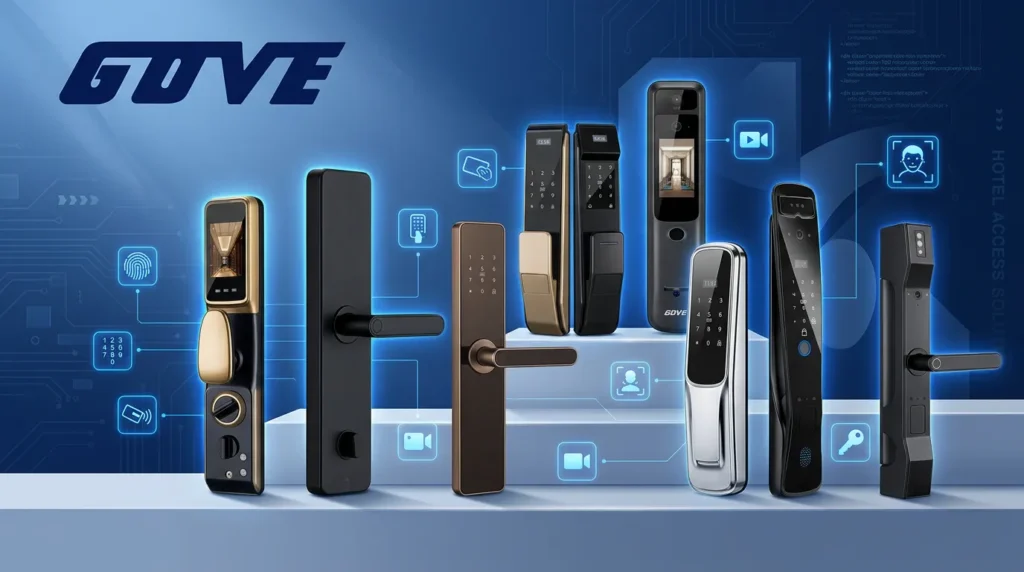
A professional-grade system must offer multiple ways to enter. We integrate several technologies to ensure your team never gets locked out:
- Biometric Door Locks for Offices: High-speed fingerprint sensors for instant, secure entry.
- RFID Card Door Lock: Standardized cards or fobs that are easy to issue and revoke.
- Custom Passcodes: Unique pins for different departments or temporary visitors.
- Mobile App Control: Bluetooth or WiFi-enabled unlocking via smartphone.
| Access Method | Best Use Case | Security Level |
|---|---|---|
| Biometrics | Executive offices & sensitive areas | Highest |
| RFID Cards | General staff & high-traffic zones | High |
| Passcodes | Delivery personnel & temp workers | Medium |
| Physical Key | Emergency override only | Backup |
Centralized Management and Audit Trails
The real power of a smart commercial door lock lies in the backend software. Our remote access management software allows administrators to oversee multiple entry points from a single dashboard.
- Multi-User Code Management: Add or delete users in seconds without physical contact with the lock.
- Audit Trails: View a detailed log of who accessed which door and at what time. This is critical for accountability and internal security.
- Gateway/WiFi Bridge: Connecting your locks to a gateway enables real-time notifications and remote unlocking from anywhere in the world.
For businesses with heavy-duty security requirements, installing a smart lock for mortise lock provides the necessary physical reinforcement while maintaining these advanced digital features.
Reliable Power and Emergency Backups
A WiFi connected commercial lock must be operational 24/7. We prioritize power efficiency and fail-safe options to prevent downtime.
- Long-Life Battery Systems: Optimized for thousands of cycles before needing a change.
- Low-Battery Alerts: Automated notifications sent to the dashboard and mobile app when power is low.
- Emergency Jump-Start: External USB-C ports allow you to power the lock with a portable battery if the internal cells die.
- Mechanical Override: Every unit includes a concealed traditional key cylinder for total peace of mind.
Choosing the Right Commercial Door Smart Lock for Your Door Type
Selecting a commercial door smart lock isn\’t a one-size-fits-all process. The physical structure of your entryway dictates the hardware requirements. We design our solutions to match specific architectural needs, ensuring security without compromising the door\’s integrity.
Glass Doors: Clamp-style Solutions
For frameless glass entries common in modern offices, we provide clamp-style locks that require zero drilling. These maintain the sleek aesthetic while offering high-end security. If your office features a smart lock for sliding glass door setup, we ensure the mechanism supports the specific lateral movement of the track without friction.
Aluminum and Metal Frame Doors
Narrow-stile doors, often found in storefronts and commercial partitions, require a narrow profile commercial smart door lock. These units are specifically engineered to fit within slim vertical frames while housing robust locking bolts and internal electronics.
Wooden Office Doors
Standard wooden doors are the most versatile for upgrades. We typically recommend two main paths:
- Cylindrical Retrofits: Ideal for quick installations where you want to swap out existing hardware with minimal door modification.
- Mortise Locks: For high-traffic areas requiring a heavy-duty mortise smart lock that integrates directly into the door pocket for maximum pry resistance and long-term durability.
Outdoor and Perimeter Doors
Exterior gates or exposed entryways demand environmental protection. We prioritize IP65 or IP66 weatherproofing ratings for these locations to ensure the electronics remain fully functional against heavy rain, dust, and extreme temperature fluctuations.
| Door Type | Recommended Lock Style | Key Benefit |
|---|---|---|
| Frameless Glass | Clamp-style / No-drill | Preserves glass integrity |
| Aluminum Frame | Narrow Stile | Fits slim profiles |
| Wooden Office | Mortise or Cylindrical | High durability & easy retrofit |
| Outdoor Gate | Weather-rated (IP66) | Resistance to elements |
Operational Benefits of a Commercial Door Smart Lock
Upgrading to a commercial door smart lock transforms how you manage your facility. Beyond basic security, keyless entry systems for business streamline daily operations, reduce overhead, and give you complete control over who enters your building.
Streamlined Employee Onboarding and Offboarding
Managing physical keys is a major operational bottleneck. With multi-user code management, you can instantly grant access to new hires via RFID cards, biometrics, or PINs. When an employee leaves, simply delete their profile from the system. There is no need to track down unreturned keys or worry about unauthorized duplicates compromising your building.
Audit Trails for Accountability
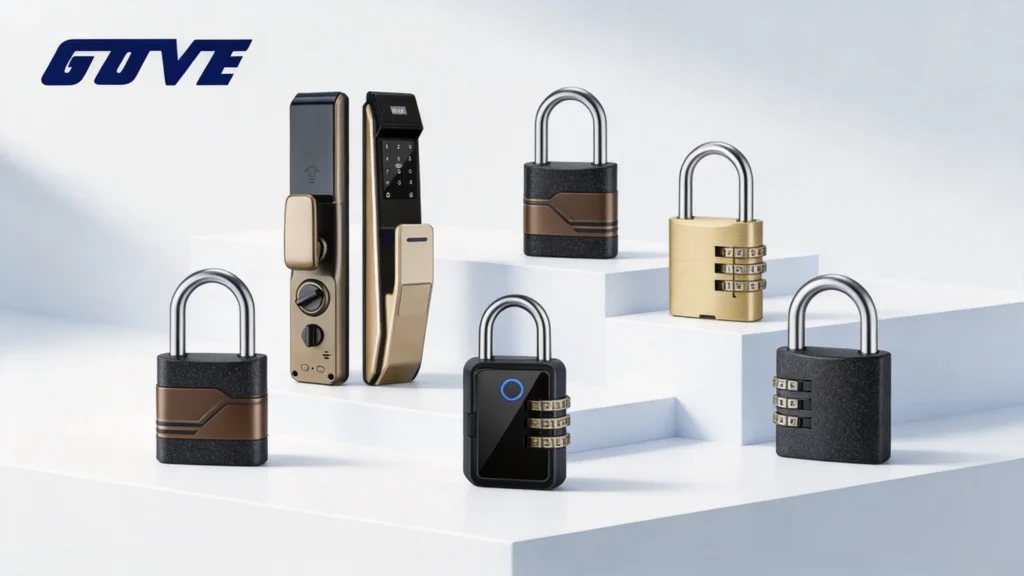
Knowing exactly who accessed a room and when is crucial for inventory security. Our smart locks provide detailed, real-time audit trails and support employee attendance tracking. For comprehensive facility safety, pairing your main door security with specialized lock-out padlocks ensures that both your perimeters and internal hazardous equipment remain strictly controlled under a unified commercial access control protocol.
Remote Access for Vendor Management
You do not need to be on-site to let in contractors, cleaning crews, or delivery drivers. Using remote access management software, you can generate temporary PIN codes or unlock doors directly from your smartphone. Once the vendor completes their job, their access expires automatically, ensuring your facility remains secure after hours.
Long-Term Cost Savings on Re-Keying
Traditional locks require expensive locksmith visits every time a key is lost or a manager leaves the company. A smart commercial door lock eliminates these recurring costs entirely. The system quickly pays for itself by removing the need for physical re-keying and hardware replacements.
Traditional Locks vs. Smart Locks
| Operational Feature | Traditional Lock | Commercial Door Smart Lock |
|---|---|---|
| Access Control | Physical keys only | PIN, RFID, Biometrics, Mobile App |
| Employee Onboarding | Requires cutting new keys | Instant digital access assignment |
| Activity Tracking | None | Real-time audit trails & logs |
| Vendor Management | Must be physically present | Remote unlocking & temporary codes |
| Security Breach Cost | Expensive locksmith fees | Free digital code reset |
Why Gove Smart Locks are the Preferred Choice for Enterprises
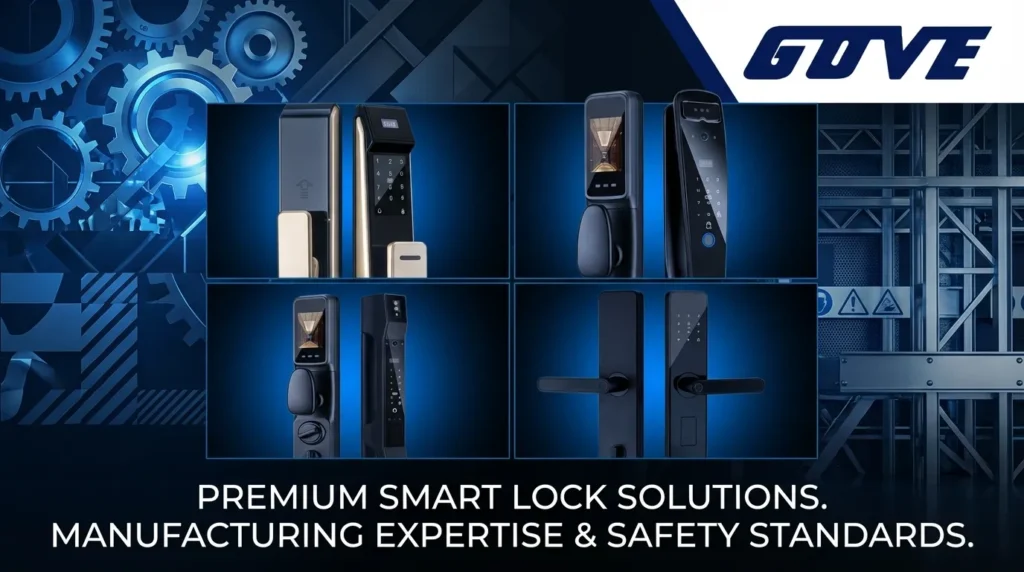
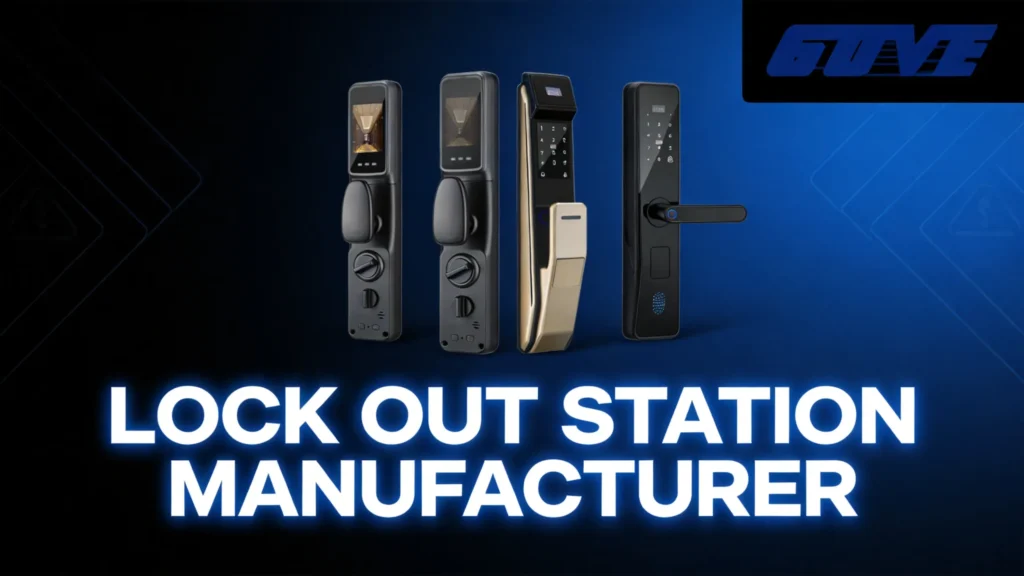
When upgrading to a commercial door smart lock, businesses need hardware that is tough, scalable, and fully supported. As a dedicated manufacturer, we deliver commercial access control solutions built specifically for enterprise demands.
Here is why businesses consistently choose Gove over standard retail options:
- Manufacturing Excellence: We build every heavy-duty smart lock using premium zinc alloy and stainless steel. This guarantees long-lasting durability and resistance to physical tampering, even in high-traffic office environments.
- OEM/ODM Customization: We support bulk orders with full OEM and ODM services. Whether you need custom branding on the hardware or specific design tweaks, we tailor the locks to fit your corporate identity perfectly.
- PMS Integration: Managing a large facility requires connected systems. Our hardware integrates seamlessly with standard Property Management Systems (PMS) and remote access management software. This makes multi-user code management and access tracking incredibly simple for your admin team.
- Direct Manufacturer Support: Skip the middleman. Dealing directly with the factory means you get faster technical support, reliable warranty coverage, and competitive bulk pricing that third-party resellers simply cannot match.
Installation and Maintenance for a Commercial Door Smart Lock
Getting your hardware set up correctly from day one dictates how well it performs over the years. Whether you are upgrading a single office or outfitting an entire building, proper installation and routine upkeep are non-negotiable for long-term security.
Professional vs. DIY Installation
While a DIY approach might work for standard residential doors, a commercial door smart lock handles significantly more daily stress. We highly recommend utilizing professional smart lock installation services for business environments.
- Precision Alignment: Commercial doors often feature heavy-duty metal frames, solid wood, or frameless glass. Exact alignment ensures the internal mechanisms engage smoothly without friction, preventing premature motor burnout.
- Hardware Compatibility: Retrofitting advanced hardware like the Gove S23-1 door lock requires specific drilling templates and a solid understanding of commercial door structures to maintain structural integrity and fire safety compliance.
Battery Management and Low-Battery Alerts
Power failure is a common concern when upgrading to keyless entry systems for business, but it is entirely preventable. We design our locks with proactive power management features to ensure you are never locked out of your own facility:
- Proactive Alerts: The lock triggers distinct audio and visual warnings at the door when battery life drops below 20%.
- Remote App Monitoring: Facility managers can track the real-time battery status of every lock across the building directly from the management dashboard.
- Emergency Power Backup: If the batteries are completely drained and alerts are ignored, an external Type-C or Micro-USB port on the exterior panel allows you to jump-start the lock with a standard power bank.
Firmware Updates for Digital Security
Maintaining commercial access control isn\’t just about physical hardware; digital maintenance is equally critical. We regularly push over-the-air (OTA) firmware updates to our smart lock systems. Keeping your lock\’s software up to date ensures you have the latest encryption protocols, patching potential vulnerabilities and keeping your business secure against evolving digital threats. Pushing an update takes just a few taps on your smartphone, but it secures your facility for the long haul.
Frequently Asked Questions about Commercial Smart Locks
As a manufacturer, we hear the same concerns from business owners every day. Switching from traditional keys to a digital system is a big move, and you need to be sure the hardware can handle the job. Here are the straight answers to the most common questions we get about deploying a commercial door smart lock.
Can I use a residential smart lock for my office?
Technically, you could, but we strongly advise against it. Residential locks are built for low traffic—maybe 10 to 20 cycles a day. A dedicated commercial smart door lock is engineered to withstand hundreds of daily entries and exits.
- Durability: Home locks (usually ANSI Grade 3) will wear out quickly in a business setting. Commercial locks are rated Grade 1 or 2 for heavy-duty use.
- Warranty: Installing a residential lock on a commercial door often voids the manufacturer\’s warranty immediately.
- Features: Home locks lack the audit trails and multi-user management features essential for business security.
How many users can a commercial smart lock handle?
Capacity is one of the biggest differentiators. While a home lock might store 20-50 codes, a robust smart lock commercial door system is designed for scale.
- High Capacity: Our enterprise models typically support 1,000+ unique users.
- Diverse Credentials: This includes a mix of fingerprints, RFID cards, and PIN codes.
- Scalability: You can easily add temporary vendors or new staff without deleting existing users to make space.
What happens if the smart lock battery dies?
This is the number one fear for most facility managers, but modern locks have multiple redundancies.
- Low Battery Alerts: The lock and the mobile app will notify you weeks before the battery actually dies.
- Emergency Jumpstart: Most units feature an external emergency power port (USB-C or 9V battery contacts). You simply hold a power bank to the port to wake the lock up and enter your code.
- Mechanical Key: We always include a mechanical key override as a fail-safe for absolute emergencies.
Are smart locks secure against hacking?
Yes, often more secure than traditional locks that can be bumped or picked in seconds. A high-quality smart commercial door lock utilizes AES encryption (the same standard used by banks) for all data transmission.
- Data Privacy: We prioritize local storage for biometric data, meaning fingerprints are stored on the lock\’s hardware, not floating in a vulnerable cloud server.
- Physical Security: These locks are built with anti-tamper alarms that sound if someone tries to force the unit off the door.
If you are ready to upgrade your facility\’s access control, you can review your configuration and proceed to checkout to secure your order.