
Are you curious about the technology behind that plastic card in your pocket? Understanding how do hotel key cards work is essential for any property owner looking to balance security with a seamless guest experience.
I’ve spent years in the hospitality industry, and I’ve seen firsthand how the shift from magnetic stripes to RFID technology has revolutionized hotel operations. In this guide, you’ll learn the exact mechanics of data encryption, lock communication, and the future of mobile access.
If you want to upgrade your property\’s access control and improve operational efficiency, this guide is for you.
Let’s dive in.
What is a Hotel Key Card?
Definition and Basic Function
A hotel key card is an electronic access token designed to unlock specific doors within a hospitality property. Functioning as the modern, high-tech equivalent of a traditional brass key, these compact, wallet-sized cards communicate directly with electronic door locks. When guests and property managers ask how do hotel key card work, it fundamentally comes down to a secure digital handshake: the card presents encoded credentials, and the lock verifies this data to grant immediate entry.
As a professional lock manufacturer and supplier, we engineer these cards to perform several critical functions seamlessly:
- Targeted Access Control: Restricts room entry exclusively to authorized guests and designated hotel staff.
- Dynamic Data Storage: Temporarily holds specific room assignments, check-in dates, and precise checkout times.
- Instant Deactivation: Provides immediate security by allowing front desk staff to void lost or stolen cards instantly, rendering them useless.
The Evolution from Metal Keys to Digital Access
The global hospitality industry has drastically transformed its approach to security, moving away from cumbersome and risky mechanical systems. Traditional metal keys posed a significant operational hazard; if a guest misplaced a key, the property faced the expensive and time-consuming task of replacing the entire lock cylinder to ensure future guest safety.
To eliminate these vulnerabilities, the industry transitioned through several technological milestones to arrive at today\’s digital access solutions:
- Traditional Metal Keys: Highly vulnerable to unauthorized duplication and completely lacking in audit trail capabilities.
- Hole-Punch Cards: Introduced in the late 1970s, these were the earliest mechanical key cards, offering a basic level of reprogrammable security.
- Magnetic Stripe Cards: Revolutionized hotel operations in the 1990s by allowing front desks to encode and erase digital access data on a magnetic band.
- RFID and Smart Cards: The current global standard. These cards utilize radio frequencies for contactless entry, offering superior durability, advanced data encryption, and a frictionless guest experience.
How Do Hotel Key Cards Work?
Understanding how do hotel key card work starts with the interaction between the card and the lock hardware. When you approach your room, a quick tap or swipe initiates a digital conversation that determines whether the door stays locked or grants access.
The Communication Process Between Card and Reader
The communication process depends on the specific technology used, but the most common method today involves Radio Frequency Identification (RFID). When you hold an RFID card near the reader, the lock emits a low-frequency electromagnetic field. This field powers the tiny chip inside the card, allowing it to transmit a unique, encoded signal back to the lock. As experienced hotel door lock manufacturers, we design these systems to complete this \”handshake\” in less than a second, ensuring a seamless entry for the guest.
Data Encryption and Security Protocols
Security is the core of how do hotel room key work effectively. The data transmitted isn\’t just a simple room number; it is an encrypted token.
- Authentication: The lock verifies the digital signature against its internal database.
- Encryption: Advanced protocols like AES (Advanced Encryption Standard) prevent hackers from \”sniffing\” the signal or cloning the card.
- Validation: The system checks if the card is currently active, ensuring that old keys from previous guests are automatically rejected.
Powering the Lock Mechanism
A common question is how the lock stays active without being wired into the building\’s main power grid. Most hotel locks are standalone units powered by internal AA or AAA alkaline batteries.
- Passive Cards: The key cards themselves do not require batteries; they draw a tiny pulse of energy from the reader\’s magnetic field.
- Low Power Consumption: The lock remains in a \”sleep\” mode until a card is detected, which preserves battery life for thousands of entries.
- Fail-Safe Design: Even if the hotel\’s main power goes out, your hotel card key work perfectly because the lock operates on its own independent power source.
By combining proximity technology with robust encryption, modern systems provide a secure and reliable way to manage guest access without the need for traditional metal keys.
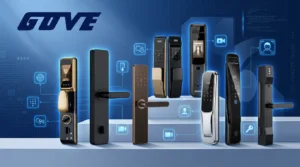
Common Types of Hotel Key Card Technologies
Understanding how do hotel key card work requires looking at the specific hardware used to grant access. Different properties choose technology based on their budget, security needs, and guest volume.
Magnetic Stripe Cards
Magnetic stripe cards, often called \”magstripes,\” were the industry standard for decades. They feature a magnetic band on the back that stores a unique code. When you swipe the card, the reader interprets the magnetic field to verify the data. While they are the most affordable option, they are prone to demagnetization and physical wear.
RFID (Radio Frequency Identification) Cards
RFID is the current gold standard for modern hospitality. These cards contain an internal chip and antenna that communicate with the lock via radio waves.
- Contactless: No swiping required; just tap the card near the reader.
- Durability: Since there is no physical contact, the cards and readers last much longer.
- Security: RFID signals are encrypted, making them significantly harder to clone than magnetic stripes.
As a leading smart lock manufacturer in China, I recommend RFID systems for properties looking to balance cost-efficiency with high-end security.
Smart Cards and IC Cards
Smart cards, or Integrated Circuit (IC) cards, feature an embedded microchip. These are essentially \”mini-computers\” that can store much more data than a standard key card. Beyond just opening a room door, these cards can manage:
- Stored Value: Guests can use them to pay for meals or spa services.
- Multi-Zone Access: They easily manage complex permissions for gyms, VIP lounges, and elevators.
- High Encryption: They offer the highest level of data protection available in physical card formats.
Choosing the right technology depends on whether you prioritize the low cost of magnetic stripes or the advanced smart key lock capabilities offered by RFID and chip-based systems.
What Information is Stored on a Hotel Key Card?
Encoded Guest Data and Room Access
When we program a card at the front desk, we aren\’t loading your personal life story onto it. The data is actually quite minimal. The primary information includes a unique user ID and the specific room number or zone you are permitted to enter. This is the core of how do hotel key card work; the lock reads this specific string of binary or digital code to verify that the holder has permission to retract the latch. As a partner working with top smart lock manufacturers for quality and security, we ensure these codes are unique to every individual stay to prevent unauthorized entry from previous guests.
Expiration Dates and Time-Limited Access
One of the most critical pieces of data stored on the chip or stripe is the check-out timestamp. To understand how do hotel room key work for operational efficiency, you have to look at the time-coding:
- Arrival Date/Time: The exact moment the card becomes active.
- Departure Date/Time: The specific minute the card expires (usually 11:00 AM or Noon on checkout day).
- Access Windows: Some cards are restricted to certain hours for gym or pool access.
Once the programmed time passes, the lock’s internal clock compares the current time to the card\’s data and denies entry automatically.
Privacy and Data Security Concerns
There is a long-standing myth that hotel cards store your credit card numbers or home address. In reality, modern systems use encrypted tokens. Even if a malicious actor were to read the card, they would only find a string of random characters that are useless outside of the hotel\’s specific encrypted ecosystem. We prioritize data integrity by ensuring that how do key card for hotel work involves zero storage of sensitive guest billing information on the physical card itself. The card acts merely as a temporary digital \”handshake\” between the guest and the door lock.
Key Benefits of Modern Hotel Key Card Systems
Switching to a modern access system isn\’t just about following trends; it’s about tightening security and making life easier for both guests and staff. As a lock manufacturer and supplier, I’ve seen how these systems transform property management.
Enhanced Security and Access Control
Safety is the top priority. Unlike old-school metal keys, digital cards can be deactivated instantly if lost. This eliminates the need to replace expensive lock cylinders. Our systems use advanced encryption to prevent unauthorized duplication, ensuring only the right people enter the room. For properties with specialized entry points, integrating a wholesale door handle smart lock provides a robust, tamper-resistant solution that tracks every entry event.
Improved Guest Experience and Convenience
Guests want a frictionless stay. Modern hotel key cards are lightweight, fit in a wallet, and work with a simple tap or swipe. No more fumbling with heavy keys or struggling with sticky locks. The \”tap-and-go\” nature of RFID technology significantly speeds up the check-in process, allowing guests to get to their rooms faster.
Operational Efficiency and PMS Integration
Efficiency is where you save money. Modern systems integrate directly with your Property Management Software (PMS). This automation streamlines the entire workflow:
| Feature | Impact on Operations |
|---|---|
| Instant Re-keying | No physical labor required to change locks between guests. |
| Audit Trails | Staff can pull reports on who accessed a room and when. |
| Remote Management | Front desk can extend stays or change rooms without the guest returning to the desk. |
| Energy Savings | Cards can trigger in-room power, cutting utility costs when the room is empty. |
By using high-quality hardware, such as a smart lock for sliding doors, hotels can maintain a consistent security standard across all room types, from standard suites to balcony access rooms. Understanding how do hotel key card work allows owners to leverage these features for maximum ROI.
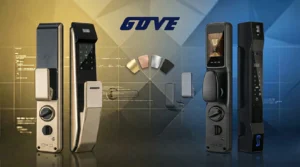
The Future of Hotel Access: Beyond Physical Cards
The hospitality industry is shifting toward a \”frictionless\” guest experience. While understanding how do hotel key card work remains essential for current operations, the future is moving toward digital-first solutions that eliminate the need for physical plastic altogether.
Mobile Keyless Entry and Bluetooth Access
The most significant shift in the industry is the move to mobile keys. By utilizing a guest\’s smartphone, hotels can send a digital key directly to an app. Our Bluetooth smart lock technology allows guests to bypass the front desk and unlock their room door with a simple tap on their phone screen. This system uses encrypted Bluetooth Low Energy (BLE) signals to communicate with the lock, providing a secure and contactless entry method that modern travelers now expect.
Biometric Authentication Systems
For high-end luxury properties, biometrics are becoming a reality. Instead of worrying about how do hotel room key work or where they might have been misplaced, guests use their own unique biological traits:
- Fingerprint Recognition: Quick and highly secure access for VIP areas.
- Facial Recognition: A completely hands-free experience that identifies the guest as they approach the door.
- Enhanced Security: Biometrics are nearly impossible to replicate, offering the highest level of protection available in the market today.
Keypad PIN Codes and Cloud-Based Management
Cloud-based systems are revolutionizing how we manage property access. Instead of physical cards, managers can generate unique, time-sensitive PIN codes for each guest. This is particularly effective for boutique hotels and short-term rentals.
- Remote Management: Update access permissions from anywhere in the world via a central dashboard.
- No Physical Hardware Wear: Unlike magnetic readers, keypads don\’t suffer from \”card swipe\” wear and tear.
- Real-Time Audits: Instantly see who entered a room and when, improving overall operational transparency.
As we look at how do hotel key work in the coming years, the focus will remain on security, speed, and guest autonomy. Transitioning to these advanced systems reduces the overhead costs of replacing lost cards and aligns with the digital habits of the modern global traveler.
How to Choose the Right Key Card System for Your Property
Selecting the right system requires a balance between guest security and your operational budget. As a dedicated Lock Manufacturer and Supplier, I always advise property owners to look beyond the initial price tag and focus on long-term reliability. Understanding how do hotel key card work in a real-world environment helps you avoid systems that are prone to frequent failure or easy hacking.
Assessing Security Needs and Budget
Your choice usually boils down to the level of encryption you need. While older magnetic stripe systems are cheaper, they are less secure and wear out quickly. Modern RFID systems offer better protection and a better guest experience.
| Feature | Magnetic Stripe | RFID / Smart Card | Mobile/Bluetooth |
|---|---|---|---|
| Security Level | Low (Easy to clone) | High (Encrypted) | Very High |
| Initial Cost | Low | Moderate | High |
| Maintenance | High (Reader cleaning) | Low (Contactless) | Minimal |
| Guest UX | Average | Seamless | Premium |
Compatibility with Hotel Management Software
A key card system shouldn\’t exist on an island. It must talk to your Property Management System (PMS). When we provide wholesale smart door lock solutions, we ensure the software integration allows for automatic card encoding at check-in and instant deactivation at check-out. If the systems don\’t sync, your staff will waste hours on manual data entry, increasing the risk of \”how do hotel room key work\” troubleshooting calls from frustrated guests.
Durability and Maintenance Requirements
In high-traffic environments, hardware takes a beating. You need locks that can withstand humidity, salt air (for coastal properties), and thousands of physical interactions.
- Battery Life: Look for locks with 12-18 month battery cycles.
- Material Quality: Opt for 304 stainless steel or high-grade zinc alloys.
- Weatherproofing: Ensure an IP rating if the locks are exposed to the elements.
- Support: Partner with a supplier that offers a solid warranty and readily available replacement parts.
Investing in a high-quality China smart door lock wholesale partner ensures you get hardware designed for the rigors of the hospitality industry, keeping your maintenance costs low and your guest satisfaction high. Understanding how do hotel card key work from a mechanical perspective ensures you choose a latch and motor assembly that won\’t jam after a few months of use.